Understanding the Colon's Vital Role
The Essential Function of the Colon in Health
Explore how the colon supports digestion, nutrient absorption, and waste elimination, crucial for maintaining overall wellness.

The Colon's Role in Digestion
The colon is a vital component of the digestive system that plays a key role in the transportation of waste and toxins while effectively preventing the accumulation of harmful substances. It adeptly removes waste and absorbs crucial water and nutrients necessary for sustaining the body's equilibrium and supporting overall health. By ensuring these essential functions are carried out efficiently, the colon significantly contributes to our general well-being.
How the Colon Processes Waste

Self-Cleaning Mechanism
The Colon's Natural Cleansing Process
The colon is a vital component of the large intestine, strategically located between the small intestine and the anus. A healthy colon typically measures about two inches in diameter and ranges from five to six feet in length, filling much of the lower body cavity. This U-shaped organ is divided into four sections: the ascending colon, transverse colon, descending colon, and sigmoid colon. Its main function is to reclaim water from the food we digest, absorb essential nutrients, and create a nurturing environment for beneficial bacteria that facilitate digestion and other crucial bodily functions.
Water and Nutrient Absorption
The Colon's Role in Hydration and Nutrient Balance
The colon plays a pivotal role in maintaining the body's hydration and nutrient equilibrium. As digested food passes from the small intestine into the colon, this vital organ absorbs water, salt, and essential nutrients, ensuring that the body remains hydrated and balanced. This process not only helps in maintaining fluid levels but also supports overall health by regulating the body's electrolyte balance, which is crucial for various bodily functions.

Natural Cleansing Efficiency
Regular bowel movements are critical for the colon's natural self-cleaning process as they help eliminate waste and prevent toxin accumulation, thereby enhancing overall digestive health. To facilitate this essential cleansing function, it is important to adhere to a balanced diet and maintain proper hydration, as these factors significantly contribute to the smooth passage of contents through both the large and small intestines and ultimately into the rectum.
Hydration and Fiber for a Healthy Colon
Achieving a natural colon cleanse can be as simple as incorporating certain lifestyle habits into your daily routine. Staying adequately hydrated is crucial, as water helps to soften stool and promote regular bowel movements. Aim to drink at least eight glasses of water a day to support your digestive system. Additionally, a diet rich in fiber is essential for maintaining colon health. Fiber adds bulk to the stool, aiding in its passage through the digestive tract. Include plenty of fruits, vegetables, whole grains, and legumes in your diet to ensure sufficient fiber intake.
Assess Your Stools For Better Wellbeing
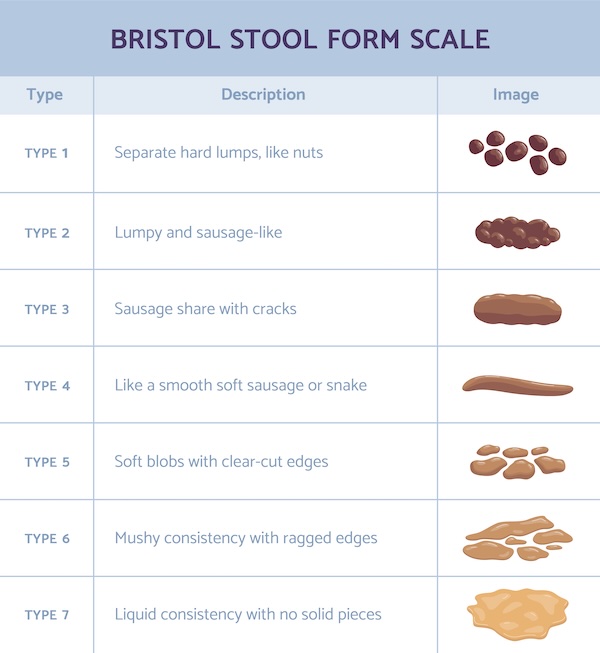
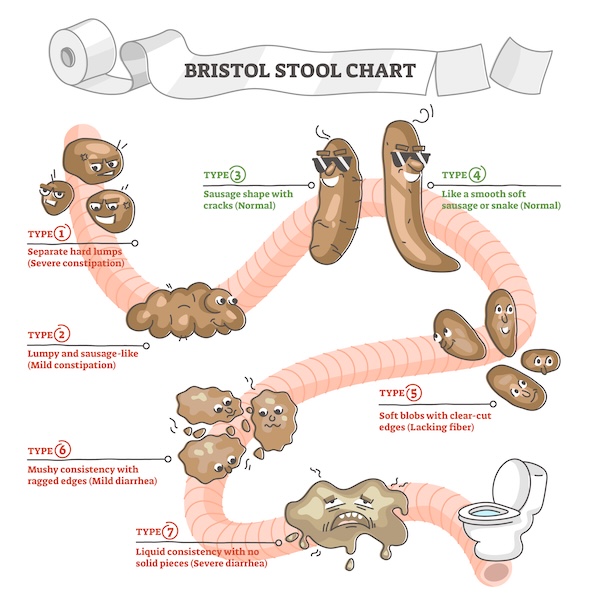
Understanding the Bristol Stool Chart is an essential part of maintaining digestive health and recognizing what your body is telling you. This simple yet effective tool categorizes stool types, providing valuable insights into your gastrointestinal wellness. Each type describes the texture and shape of stools, revealing crucial information about your digestion.
In conclusion, the Bristol Stool Chart is not just about numbers or shapes—it's about understanding your body and the vital clues it provides. By familiarizing yourself with these types, you empower yourself to make informed decisions about your health and well-being. Embrace this knowledge as a step towards a healthier digestive system, and remember, your body is always trying to tell you something. Listen closely.
Your Stool Can Be a Helpful Indicator
Bristol Stool Chart Explained
Understanding the Bristol Stool Chart is an essential part of maintaining digestive health and recognizing what your body is telling you. This simple yet effective tool categorizes stool types, providing valuable insights into your gastrointestinal wellness.
Type 1 and 2 Explained
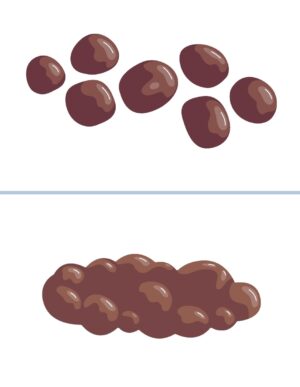
Types 1 and 2 refer to stool that can be difficult to pass, potentially indicating constipation. These types of stools may appear darker than usual. Factors contributing to constipation include a low-fiber diet and inadequate fluid. GI conditions may be a health concern as well. Certain medications can result in constipation. GI conditions such as IBS and health issues such as Parkinson's disease. Side effects from certain medications can be the culprit. Severe constipation can cause you to strain when trying to have a bowel movement and lead to diverticulosis and hemorrhoids. Blood in the stool is not uncommon in these types of stools.
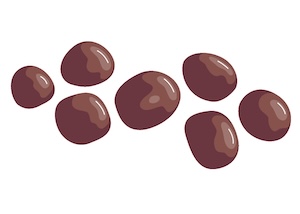
Type 1
We encounter separate hard lumps that resemble nuts. This type indicates constipation and suggests that your body may be in need of more fiber or hydration. It serves as a reminder to pay attention to what you consume daily.
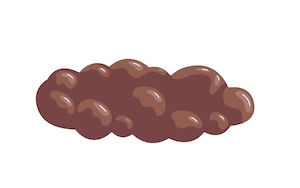
Type 2
We find a sausage-shaped stool that is lumpy. This too signals constipation, indicating that your digestive system may benefit from a little extra care and attention.
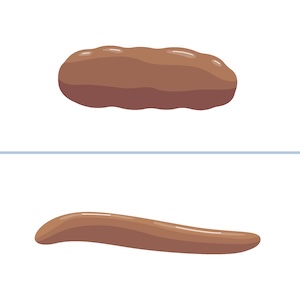
Type 3 and 4 Explained
Types 3 and 4 describe stool that is well-formed and easy to pass. These are thought of as "normal," healthy stools and the most ideal.Type 3 looks like a sausage with cracks on the surface, and type 4 is a smooth, soft sausage or snake. These two types are considered ideal, reflecting a well-balanced diet and healthy hydration levels. Celebrating these types is crucial, as they signify that your body is functioning optimally.
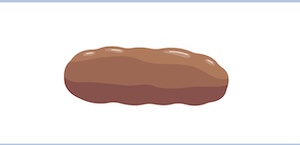
Type 3
Resembles a sausage with its distinctive, textured surface featuring cracks that enhance its ability to move smoothly while leaving no traces behind.

Type 4
Smooth and soft, shaped like a sausage or snake, this formulation passes through easily without leaving any sticky residue.
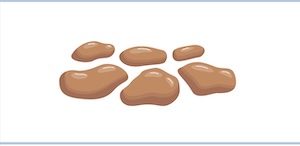
Type 5
Precursor to diarrhea - Soft, well-defined blobs indicate a transition toward diarrhea, signaling the need to monitor your intake and make adjustments if necessary, as this may suggest that your digestive system is facing some challenges.For some people, they may be typical even in the absence of a GI condition. For others, they may suggest a mild or developing GI issue. They also can indicate a dietary problem such as inadequate fiber intake.
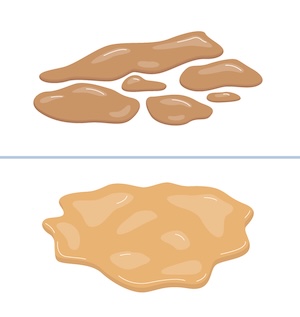
Type 6 and 7
Very loose stools or fully liquid diarrhea. With these type, Diarrhea can be considered:
- Acute when it lasts 14 day or less, as with an infection
- Persistent, when it's between 14 and 30 days
- Chronic, when it lasts more than 30 days
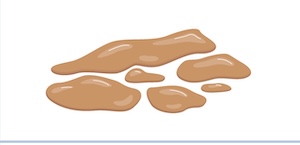
Type 6
Presents a mushy stool with ragged edges, a clearer indicator of diarrhea. Stools are considered diarrhea even though they are not liquid. Diarrhea is often caused by a viral or bacterial infection, though it can also be a medication side effect or a symptom of a medical condition such as IBD or IBS
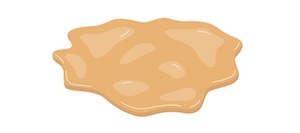
Type 7
The stool is entirely liquid with no solid fragments, indicating diarrhea that requires immediate attention to hydration and diet. You may experience an urgent need for a bowel movement. Persistent diarrhea can lead to dehydration or malnutrition and is often caused by a viral or bacterial infection. Parasitic can cause infections resulting in watery diarrhea, alongside certain medical conditions. .
Natural Colon Cleanse Tips
Colon Structure and Cleansing Methods
Supporting Purification Techniques
Resources and Referrals for Colon Health
Colon Enemas
PARASITE/CANDIDA
NATURAL CLEANSE
The Essential Role of Kidneys in Detoxification
Discover how your kidneys efficiently cleanse your body, ensuring optimal health and balance.

Kidneys: Nature's Detoxifiers
Understanding Kidney Function and Balance
The kidneys are vital organs that perform a crucial detoxification process, filtering out toxins and waste from the bloodstream. They maintain the body's fluid and electrolyte balance, ensuring that essential nutrients are reabsorbed while harmful substances are excreted. This balance is essential for overall health, as it supports cellular functions and prevents the buildup of harmful toxins.
The Kidney Filtration Process
Step 1: Blood Flow
Blood carrying toxins enters the kidneys through the renal artery, initiating the filtration process.
Step 2: Glomerular Filtration
Within the glomerulus, a network of capillaries filters out toxins, waste products, and water, directing them into the renal tubule.
Step 3: Tubular Reabsorption
The renal tubule reabsorbs essential nutrients and water, ensuring that only waste products and toxins remain in the fluid.
Key Kidney Functions
Blood Filtration
The kidneys filter approximately 120-150 quarts of blood daily, removing toxins and waste products.
Electrolyte Balance
By regulating sodium, potassium, and other electrolytes, kidneys maintain the body's fluid balance.
Waste Excretion
Kidneys convert waste into urine, which is then excreted from the body, ensuring detoxification.
Understanding Kidney Health
How do kidneys filter blood?
Kidneys filter blood through a process involving glomerular filtration, tubular reabsorption, and secretion.
What is glomerular filtration?
It is the initial step where blood is filtered through the glomerulus, removing toxins and waste.
Why is hydration important for kidneys?
Proper hydration supports kidney function by aiding in the efficient removal of waste and toxins.
Can diet affect kidney health?
Yes, a balanced diet low in sodium and rich in fruits and vegetables supports kidney health.
What are common signs of kidney issues?
Symptoms include fatigue, swelling, changes in urination, and high blood pressure.
Discover How to Achieve Perfect Liver Health
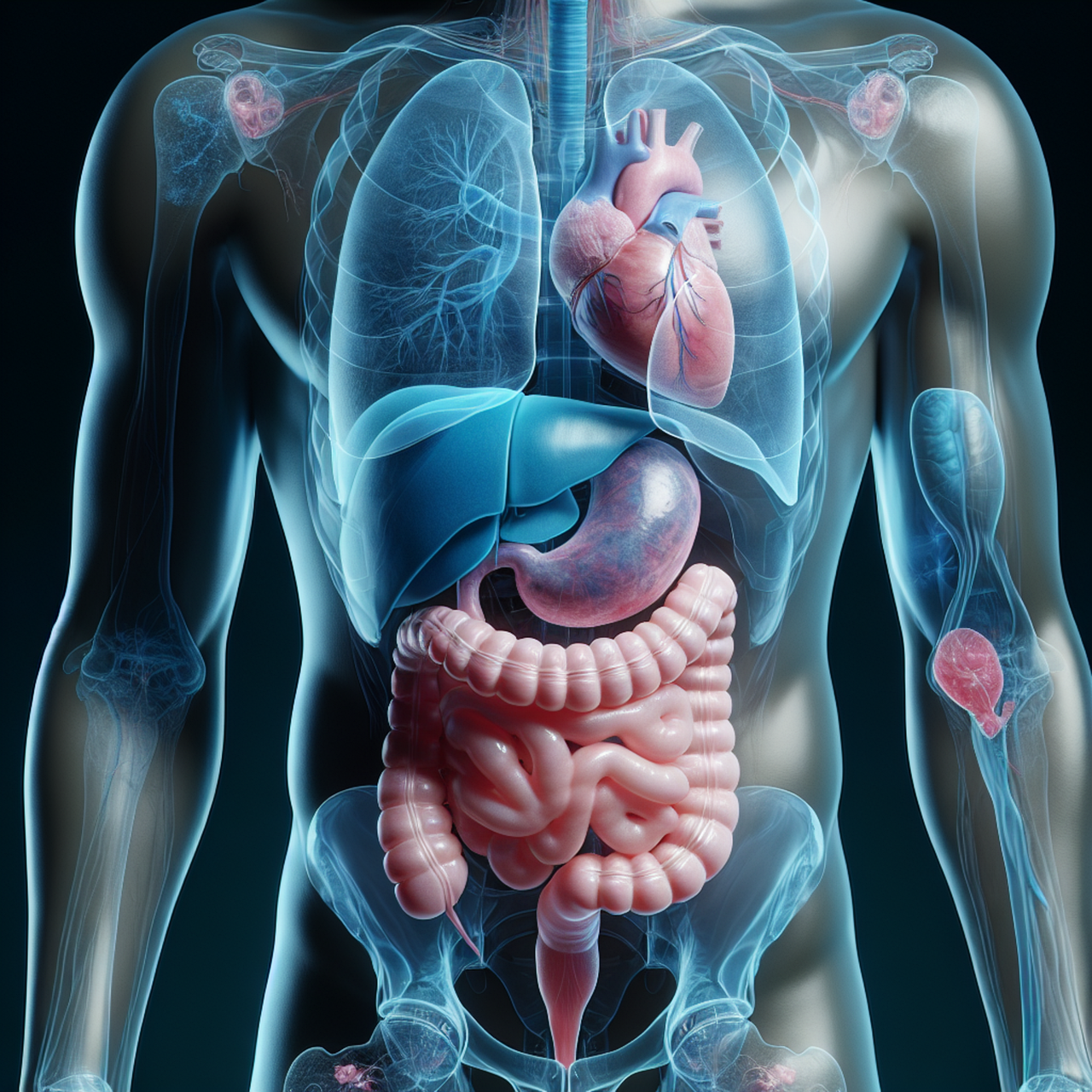
Understanding the crucial function of the liver in maintaining our overall well-being. The liver is a vital organ that performs multiple functions including metabolism, digestion, energy storage, and the production of hormones. It is the body's primary detoxification system, effectively breaking down and eliminating toxins. This detoxification process is categorized into two pathways known as Phase I and Phase II. Acting as a key player in filtering out harmful substances, the liver transforms them into non-toxic forms, ensuring our bodily functions run smoothly. By prioritizing liver health, we enhance our body's innate ability to purify itself, which is essential for maintaining overall wellness.
Key Features of Liver Detoxification
Phase I Detoxification
Phase I detoxification is a biological process that converts various toxins into less harmful substances through enzymatic action, establishing a foundation for later detoxification stages. The liver plays a key role, transforming fat-soluble toxins into water-soluble compounds to enhance the body’s ability to eliminate these substances efficiently. This phase relies on cytochrome P450 enzymes, underlining the complexity of detoxification. While this transformation is essential, the byproducts can sometimes be more toxic than the original compounds, emphasizing the need for careful management and support of liver function during this critical stage.
Phase II Detoxification
Phase II detoxification is a crucial process that transforms harmful toxins into water-soluble compounds, making it easier for the body to eliminate them. This important mechanism, known as conjugation, involves the addition of essential molecules like glutathione and glycine which are vital for this transformation. During this phase, the liver plays a key role by linking these water-soluble compounds with other molecules to prepare them for safe removal. By participating in these biochemical reactions, the liver helps convert toxins into harmless substances that can be easily eliminated, thus supporting the overall health and well-being of the body.
Excretion: Final Elimination
Once the compounds have been thoroughly processed by the body, they are excreted through various pathways such as urine, bile, or feces, thereby completing the intricate detoxification cycle that is vital for maintaining health. This essential process not only ensures that potentially harmful substances are effectively and safely removed from the body but also plays a critical role in contributing to overall well-being. Through drug excretion, compounds can leave the system either in their original, unmetabolized form or after undergoing metabolic biotransformation, highlighting the body's remarkable ability to manage and eliminate unwanted materials efficiently.
Excretion Process
Understanding Detoxification
Once the liver has processed toxins, they are transformed into substances that can be easily excreted. These detoxified compounds are then eliminated from the body through three primary pathways: urine, bile, and feces. The kidneys filter the blood, removing waste products and excess substances, which are then expelled as urine. Bile, produced by the liver, carries waste products into the intestines, where they are eventually excreted as feces. This efficient system ensures that harmful substances are regularly removed from the body, maintaining overall health.
The Power of Glutathione
Powerful Antioxidant Supporting Liver Health and Detoxification
Glutathione is widely recognized as the master antioxidant, playing an essential role in cellular health and liver detoxification. As the body's most abundant antioxidant, it is vital for neutralizing harmful free radicals and can regenerate itself within the liver. This remarkable ability to self-regenerate enhances glutathione's effectiveness in combating oxidative stress and promoting overall wellness.
Glutathione is crucial for liver detoxification, serving as a potent antioxidant that converts harmful toxins into water-soluble forms. This facilitates the elimination of these substances through urine or bile, reducing toxin buildup and preventing related health issues. By supporting this vital process, glutathione safeguards liver health and helps maintain overall balance by keeping harmful substances at bay.
Although dietary sources of glutathione are crucial for health, they are not easily absorbed by the body, emphasizing the necessity for internal production. This process depends on essential nutrients like selenium, vitamin E, vitamin C, and specific amino acids, which underscores the vital role of a well-rounded diet in maintaining adequate glutathione levels and supporting liver health.
Vitamin C: A Crucial Ally
The Role of Vitamin C in Liver Health

Vitamin C is not just a vitamin; it is a vital player in the complex process of liver detoxification, offering essential protective effects that combat oxidative damage capable of harming cells throughout the body. This powerful nutrient actively facilitates the functioning of crucial enzymes involved in both Phase I and Phase II detoxification processes, which are indispensable for effectively eliminating toxins and waste products. By improving the efficiency of these enzymes, vitamin C ensures that they perform at their peak, while simultaneously providing protection against oxidative stress that could compromise their activity. This comprehensive support highlights the fundamental role of vitamin C in promoting optimal liver health, reinforcing its significance for overall well-being and vitality.
Enhancing Liver Health Naturally
Effective Strategies for Liver Support
To maintain optimal liver health, it's essential to incorporate lifestyle habits that promote its natural detoxification processes. Prioritizing adequate sleep is crucial, as it allows the body to repair and regenerate, supporting liver function. Additionally, managing stress through mindfulness practices or yoga can significantly reduce the burden on your liver, as stress hormones can impact its efficiency.
Another vital aspect is the use of eco-friendly products in your daily routine. By choosing natural cleaning agents and personal care items, you minimize exposure to harmful chemicals that could otherwise strain your liver. Embrace these practices to support your liver's health and enhance your overall well-being.
Clinical Research Insights
Nutrient Blends and Glutathione Enhancement
Study Conclusion
The findings support earlier studies indicating that certain phytochemicals can elevate plasma vitamin C levels, even when vitamin C is not actively consumed, and they introduce a targeted combination of ingredients designed to enhance the production of glutathione in the body.

Supporting Liver Health
Healthy Diet
Incorporate a variety of fruits, vegetables, whole grains, and lean proteins into your meals to provide essential nutrients that support liver function.
Regular Exercise
Engage in physical activities that boost circulation and enhance liver efficiency, such as walking, cycling, or swimming.
Adequate Hydration
Ensure you drink sufficient water daily to aid the liver in flushing out toxins effectively.
Avoid Alcohol and Caffeine
Limit the intake of alcohol and caffeine, as these can place additional strain on the liver and hinder its detoxification capabilities.

Consult With A Nutritionalist For Wellness
Your liver is essential to your overall health, and receiving personalized guidance can greatly enhance your well-being. We advise you to speak with a qualified nutritionalist to gain customized insights and recommendations for supporting liver health. Begin your journey towards a healthier future by seeking professional consultation.
Discover the Path to Healthier Lungs
Unlock Your Lungs' Natural Cleansing Power
Explore how your lungs naturally detoxify and learn steps you can take to enhance their function for a healthier life.
Understanding Lung Health
The Self-Cleaning Wonders of Your Lungs
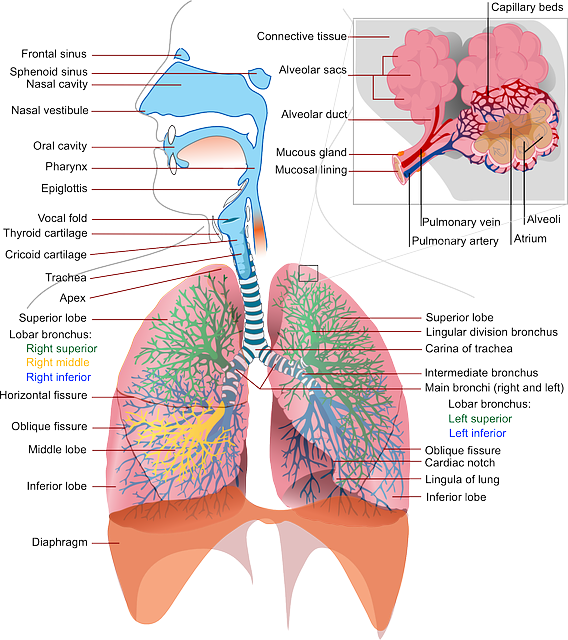
Your lungs are equipped with a remarkable self-cleaning system that helps maintain optimal respiratory health. This system involves the coordinated action of mucus, cilia, and specialized immune cells, all working together to protect your lungs from harmful pollutants and pathogens. Maintaining lung health is crucial for overall well-being, as it ensures efficient oxygen exchange and supports your body's vital functions.
Natural Lung Detoxification
How Your Lungs Clean Themselves
Mucus: The First Line of Defense
Mucus plays a critical role by trapping inhaled particles such as dust, allergens, and bacteria, preventing them from reaching the deeper lung tissues.
Cilia: The Sweepers of the Airways
Cilia are tiny hair-like structures that line the airways, moving rhythmically to transport trapped mucus and debris out of the lungs.
Immune Cells: The Lung's Guardians
Specialized immune cells patrol the lungs, identifying and neutralizing harmful substances that bypass the initial defenses, including bacteria and viruses.
Avoiding Pollutants
Minimizing exposure to pollutants like cigarette smoke and air pollution is essential for maintaining healthy lungs and preventing respiratory issues.
Exercise for Lung Capacity
Regular physical activity enhances lung capacity, strengthens respiratory muscles, and improves overall cardiovascular health.
Healthy Diet and Hydration
A diet rich in fruits, vegetables, and whole grains, along with adequate hydration, supports lung health by providing essential nutrients and facilitating toxin removal.
Lung Health Practices
Healthy Diet
Consume a balanced diet rich in fruits, vegetables, and whole grains to support lung function.
Avoid Pollutants
To protect your lung health, it is essential to minimize your exposure to harmful pollutants including cigarette smoke and environmental air pollution.
Regular Exercise
Engage in physical activities to enhance lung capacity and strengthen respiratory muscles.
Hydration
Staying properly hydrated is essential for maintaining moisture in the respiratory tract, which in turn supports the effective removal of toxins from the body.
Lung Health Statistics
Studies show that quitting smoking can improve lung function by up to 30% within two weeks.
%
Impact of Exercise
Regular physical activity can increase lung capacity by approximately 15% over time.
%
Diet and Lung Health
A diet high in antioxidants can reduce the risk of lung inflammation by 20%.
Enhance Your Lung Health Today
Embrace a lifestyle that promotes optimal lung function by integrating healthy habits into your daily routine. Discover actionable tips and resources to support your respiratory wellness and breathe easier.
Understanding Your Lymphatic System
Explore the Pathways to Wellness
Discover the vital role your lymphatic system plays in maintaining your body's health and resilience. Learn how to support its function and enhance your overall well-being.
Lymphatic Detoxification Process
The lymphatic system is a crucial component of your immune system, responsible for transporting lymph fluid, which contains infection-fighting white blood cells, throughout the body. It helps remove toxins, waste, and other unwanted materials. By maintaining fluid levels, absorbing digestive tract fats, and supporting immune functions, the lymphatic system is essential for sustaining health and preventing disease.
Lymphatic System Disorders and Conditions
Swollen Lymph Nodes
Swollen lymph nodes, or lymphadenopathy, occur due to infections, inflammation, or cancer. They are often a sign of the body fighting off common infections like strep throat or more serious conditions.
Lymphedema
Lymphedema is characterized by swelling due to fluid accumulation, often in the arms or legs, resulting from lymphatic system blockages or node removal.
Lymphatic Cancers
Lymphatic cancers, such as lymphoma, involve the uncontrolled growth of lymphocytes. These can disrupt lymph flow and lead to serious health complications.
Lymphatic System FAQs
What are the signs of a healthy lymphatic system?
A healthy lymphatic system efficiently filters waste and toxins from the body, maintains fluid balance, and supports immune function. Signs include minimal swelling, no unexplained fatigue, and a strong immune response.
How can I improve my lymphatic health naturally?
Regular exercise, staying hydrated, eating a balanced diet, and avoiding exposure to harmful chemicals can enhance lymphatic function. Lymphatic massages and dry brushing are also beneficial.
What symptoms indicate lymphatic system issues?
Common symptoms include persistent swelling, fatigue, unexplained weight changes, and frequent infections. If you experience these, consult a healthcare provider.
Can diet affect my lymphatic system?
Yes, a diet rich in fruits, vegetables, and lean proteins supports lymphatic health. Avoiding processed foods and excessive salt can prevent fluid retention and promote detoxification.
What role does exercise play in lymphatic health?
Exercise stimulates lymph flow and helps remove toxins. Activities like walking, yoga, and swimming are particularly effective in maintaining a healthy lymphatic system.
Understanding The Lymphatic System
The lymphatic system may not be the first thing that comes to mind when you think about your health, but it plays a crucial role in maintaining your body’s defense mechanisms. At the heart of this remarkable system are several key organs that work together seamlessly, ensuring that your body stays healthy and resilient.
First, let's talk about bone marrow, the soft and spongy tissue inside your bones. This vital organ is like a factory, producing essential components of your blood, including red blood cells, which carry oxygen, white blood cells, which fight off infections, and platelets, which help your blood to clot. This process is fundamental to your overall health, making bone marrow one of the foundational pillars of the lymphatic system.
Next is the thymus, a small but mighty organ located beneath your breastbone. Most active before puberty, the thymus serves as a training ground for T-cells, a specific type of white blood cell responsible for targeting and eliminating invaders like viruses and bacteria. By maturing these crucial cells, the thymus plays a significant role in shaping your immune response.
Then, we have the lymph nodes, the small, bean-shaped glands scattered throughout your body. Imagine them as checkpoints for your lymph fluid, where harmful substances are filtered out, and immune cells are stored. With around six hundred lymph nodes, they ensure that your immune system is always on high alert, ready to tackle anything that comes your way. You might even feel some of these nodes in your neck or under your arms, serving as a reminder of the complex work happening beneath your skin.
The spleen, the largest organ of the lymphatic system, sits on your left side, just under your ribs. This powerhouse filters your blood, removing old or malfunctioning cells and keeping a reserve of red blood cells and platelets ready for action. It acts as a critical hub for your immune response, making sure your body can swiftly deal with any threats.
Mucosa-associated lymphoid tissue, or MALT, is another integral player in this intricate system. Located in various mucous membranes throughout your body, including tonsils and the lining of your intestines, MALT actively seeks out and destroys pathogens, providing a crucial layer of defense against germs.
In addition to these organs, the lymphatic system relies on several other essential components. Lymph, the fluid that circulates through the system, collects excess fluids, proteins, and waste products from your body’s tissues. It’s not just waste; it carries lymphocytes, the warriors of your immune system, ensuring they are always poised to fight infection.
Lymphatic vessels form a complex network that transports lymph throughout your body. These vessels operate like highways, aided by nearby muscle contractions and the pulsing of arteries, ensuring that lymph flows smoothly. Equipped with one-way valves, they prevent any backflow, maintaining a steady and efficient flow.
Finally, the collecting ducts—specifically the right lymphatic duct and the thoracic duct—serve as the merging point for lymph on its journey back into the bloodstream. Here, the lymph rejoins the circulatory system, ensuring that the body is continuously nourished and protected.
The tonsils and adenoids also deserve a mention. These small structures act as the body’s first line of defense, trapping pathogens that enter through food and air. They play an essential role in your immune system, particularly during childhood, as they proactively work to fend off infections before they can take hold.
In understanding the lymphatic system, we gain insight into how our bodies maintain balance and health. Each organ and component has a unique role, yet they all work in harmony to keep us safe and well. Embracing this knowledge empowers us to appreciate the intricate designs of our bodies and the remarkable systems that support our health every day.