

What are Vitamins
Beware of Synthetic Supplements
Use Healthy Fats
Fat Soluble Vitamins
Water Soluble Vitamines

Minerals and Trace Minerals
Know Whats Beneficial And Whats Not
Vitamins are specific, necessary, life-giving nutrients to create healthy cellular function and physical health. They are considered essential because the body cannot make them on its own. It must have them to prevent deficiencies.
The healthiest and easiest means for getting your vitamins is through real organic food. It is important and ideal that they come from organic plants. When supplementation is necessary, be aware that artificial, contrived and synthetic vitamins are hard on the body and cellular function. They are toxic and can be very harmful to the body. 95% of all vitamins and supplements on the market are synthetic, made from coal tar, petroleum, and rocks.
Did You Know?
What Are Vitamins?
best vitamin resources
Real food supplements
Did You Know
Did you know the body cannot make vitamins on its own and will die without them?
Did You Know
Vitamins are specific, necessary, life-giving nutrients to create healthy cellular function and physical health.
It is important and idea that they come from plants. Because the body is unable to make vitamins they must be obtained through real food and when necessary real food supplements.
REAL FOOD SUPPLEMENTS
Real vitamins are the ones derived from whole foods and that are maintained in their natural state.
BEWARE OF TOXIC VITAMINS
SYNTHETIC SUPPLEMENTS
GENUINE VS SYNTHETIC
BODILY SYSTEMS VITAMINS
BEWARE OF TOXIC VITAMINS
Artificial, contrived and synthetic vitamins are hard on the body and cellular function. They are toxic and can be very harmful to the body.
SYNTHETIC SUPPLEMENTATION
Synthetically-derived, laboratory simulations of real vitamins, including some common ones like vitamin C (ascorbic acid) and vitamin E (dl-tocopheryl acetate). These are the “vitamins” used to enrich many processed foods, and do not assimilate well into the body.
GENUINE VERSUS SYNTHETIC VITAMINS
Vitamins listed under “Supplement Facts” with its technical name, it is usually an isolated, synthetic vitamin unless otherwise specified. Although may not be necessarily harmful in every case, these vitamin forms have the potential to be harmful at high levels and do not perform as well as to those that are truly genuine. Look for “Whole Food” and preferable organic.
BODILY SYSTEMS AND VITAMINS
Vitamins are crucial and necessary functional foods in almost all parts of the bodily processes which include the immune, hormonal, and nervous systems.
VITAMINS THAT SUSTAIN THE IMMUNE SYSTEM
VITAMINS THAT SUSTAIN THE NERVOUS SYSTEM
VITAMINS THAT SUSTAIN THE HORMONE SYSTEM
VITAMINS BENEFIT LIVING A HEALTHY LIFESTYLE
Vitamins that sustain the immune system are the three major antioxidant vitamins. They are beta-carotene, vitamin C, and vitamin E. Found in colorful fruits and vegetables, especially those with purple, red, orange, and yellow hues. Best results when eating these types of foods raw or slightly cooked.
Vitamin B12 aids in nervous system functioning by balancing the bodies metabolism. It helps break complex carbohydrates into glucose, the sugar your brain uses as fuel allowing proper functioning.
Vitamin D is an essential nutrient which plays a role in the production or biological activity of selected hormones. You can help prevent some types of hormonal imbalances by avoiding a vitamin D deficienc
DID YOU KNOW IT TAKES A BALANCED LIFESTYLE?
You can usually provide the necessary vitamins that support a healthy body by eating a whole food balanced diet and avoiding foods that deplete nutrients from for the body.
FAT AIDES ABSORBTION OF VITAMINS/NUTRIENTS
WHAT DEPLETE THE BODY OF NUTRIENTS
VITAMINS BENEFIT LIVING A HEALTHY LIFESTYLE
B12 WHAT EVERY VEGAN SHOULD KNOW
According to the Office of Dietary Supplements, one reason vitamins may not be absorbed or lost from the body is because the digestive system is moving to quickly. Healthy fats are an option to slow down the digestive system. Example: Monounsaturated fats and omega-3 fatty acids found in avocados and fatty fish. This common nutrient takes longer to digest, giving the intestines more time to pass vitamins onto the body.
Processed sugar, distilled water, high fructose corn syrup (HFCS), soy, added pectin, disodium EDTA, Phosphoric Acid, Guargum, Synthetic Sulfites, and Canola Oil.
The outer layers of most organic fruits and vegetables are rich in health-protective phytochemicals and antioxidants, and are considered more nutritious than the food they protect (Please note that all produce must be washed thoroughly before being eaten).
B12 AND WHAT EVERY VEGAN SHOULD KNOW
Very low B12 intakes can cause anemia and nervous system damage. Vitamin B12 comes from micro-organisms. The only reliable vegan sources of B12 are fortified foods and supplements with B12. Source:
There are thirteen vitamins classified as either water soluble (C and B complex) or fat soluble (A, D, E and K).
Real Vitamins C & B Complex Group
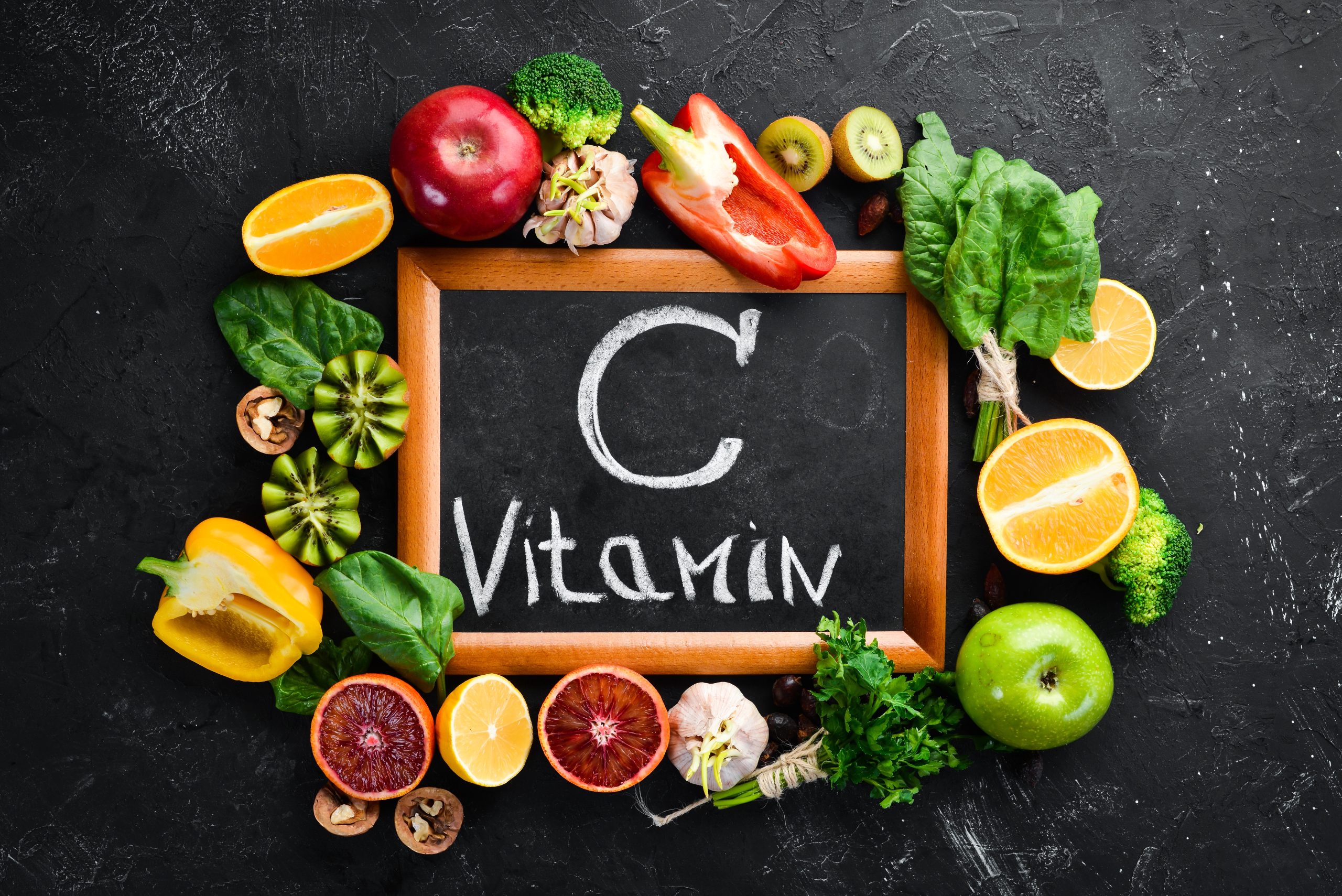
Water-soluble vitamins, such as Vitamin C and the B vitamins are stored in the body for only a brief period of time and are then excreted by the kidneys. The one exception to this is vitamin B12, which is stored in the liver. Water-soluble vitamins need to be ingested or taken daily. Vitamin C (whole matrix) and the B complex group make up the nine water soluble vitamins.
Real vitamin C is a comprehensive matrix of many nutrients and natural compounds such as bioflavonoids, co-enzymes and unique cofactors that help our bodies absorb and utilize vitamin C effectively.
The B complex group comprises of vitamins:
- B6 (pyridoxine)
- B1 (thiamine)
- B2 (riboflavin)
- B12 (niacin, pantothenic acid, biotin, folic acid and cobalamin)
Source and Reference: Mitchell May; The Synergy Company, Evolution Health) and MACKENZIE, B. (2001) Vitamins 2nd ed. Philadelphia: Lippincott Williams & Wilkins
riboflavin
- Sources: vegetables, fruit, nutritional yeast
- Uses: Intracellular metabolism
- Deficiency leads to: Painful tongue and fissures to the corners of the mouth, chapped lips
Pyridoxine
Sources: Poultry, fish, potatoes, chickpeas, bananas and fortified cereals and whole food supplements if required
Uses: Is important for normal brain development and for keeping the nervous system and immune system healthy.
Deficiency leads to: Will not have enough healthy red blood cells to carry adequate oxygen to your body's tissues (anemia), confusion, depression and a weakened immune system.
- Sources: Nutritional yeast
- Uses: Essential for manufacturing of genetic material in cells. Involved in the production of erythrocytes
- Deficiency leads to: pernicious anemia
Sources: Green vegetables and fruit
Uses: Essential for the maintenance of bones, teeth and gums, ligaments and blood vessels. It is also necessary for ensuring a normal immune response to infection
Deficiency leads to: Scurvy
Fat-soluble vitamins are essential organic substances needed in the small amounts in the diet for normal function growth, and maintenance of body tissues.
Fat-soluble vitamins are essential organic substances needed in small amounts in the diet for normal function, growth, and maintenance of body tissues. They are absorbed, together with fat from the intestine, into the circulation. Any dis-ease or dis-order that affects the absorption of fat, (such as coeliac dis-ease), could lead to a deficiency of these vitamins. Once absorbed into the circulation these vitamins are carried to the liver where they are stored. Vitamins A, D, E, and K make up the fat soluble vitamins. Vitamins A, D, and K are stored in the liver and vitamin E is distributed throughout the Body’s fat tissue.They are stored in the body for long periods of time and generally pose a greater risk for toxicity when consumed in excess than water-soluble vitamins. Low-fat, no-fat and vegan diets generally lack in fat soluble vitamins; however a diet based on traditional foods–those foods that nourished our ancestors through their evolution– can naturally provide these vitamins.
Please refer to our Food/Healhy Fats section for further insight and valuable information on how to get fat-soluble vitamins in the body.
- Sources: Is converted by the body from the beta-carotene found in green vegetables, carrots.
- Uses: Maintains the health of the epithelium and acts on the retina’s dark adaptation mechanism.
- Deficiency leads to: Keratinisation of the nasal and respiratory passage epithelium, night blindness
Thiamine
- Sources: nuts, and grains
- Uses: Carbohydrate metabolism
- Deficiency leads to: Fatigue, irritability, loss of appetite; severe deficiency can lead to beri-beri
- Sources: Fish liver oils, dairy produce. Vitamin D is formed in the skin when it is exposed to sunlight
- Uses: Has a role in the absorption of calcium, which is essential for the maintenance of healthy bones
- Deficiency leads to: Rickets
- Sources: Pure vegetable oils; wheatgerm, whole grains, nuts, sunflower seeds
- Uses: Protects tissues against damage; promotes normal growth and development; helps in normal red blood cell formation
- Deficiency leads to: May cause muscular malfunctions
- Sources: Green vegetables
- Uses: Used by the liver for the formation of prothrombin
- Deficiency leads to: Bleeding due to delayed clotting times caused by lack of clotting factors. Patients may show signs of bruising easily and have nosebleeds
Minerals and Trace Minerals
Minerals are essential for cellular and physical health of the body. The body cannot make them on its own. They must come from healthy food sources. It is important to receive minerals from plant sources that work synergistically and naturally in the body. Minerals work in balance and harmony with other nutrients supporting health and proper cell function. Foods that are “fortified” with minerals are derived from rocks or are contrived, in such a way, that they are not beneficial to the body and can actually act as toxins and become harmful
A mineral is a naturally occurring, inorganic solid that has a definite chemical composition and an orderly, repeating internal crystal structure.
Minerals are important for your body to stay healthy. Your body uses minerals for many different jobs, including keeping your bones, muscles, heart, and brain working properly. Minerals are also important for making enzymes and hormones.
In human health and diet, minerals are divided into two types based on how much the body needs.
Macrominerals: Minerals the body needs in larger amounts.
Examples: Calcium, Phosphorus, Magnesium, Sodium, Potassium, Chloride, and Sulfur
Trace Minerals: Minerals the body needs in very small amounts.
Examples: Iron, Zinc, Copper, Iodine, Selenium, and Fluoride
Your body cannot make minerals, so you must get them from your environment—primarily through the food you eat and the water you drink
Macrominerals (needed in larger amounts):
- Calcium: Found in dairy products (milk, yogurt, cheese), fortified plant-based milks, tofu, sardines, and leafy greens.
- Magnesium: Found in spinach, kale, nuts, seeds, whole grains, and avocados.
- Potassium: Found in potatoes, sweet potatoes, bananas, beans, lentils, and tomatoes.
- Sodium and Chloride: Found in table salt and whole foods
Trace Minerals (needed in smaller amounts):
- Iron: Found in lean red meats, poultry, seafood, beans, lentils, and iron-fortified cereals.
- Zinc: Found in oysters, red meat, poultry, beans, and nuts.
- Selenium: Found in Brazil nuts, seafood, and eggs.
- Iodine: Found in iodized table salt, seafood, and dairy.