Understanding the Colon's Vital Role
The Essential Function of the Colon in Health
Explore how the colon supports digestion, nutrient absorption, and waste elimination, crucial for maintaining overall wellness.

The Colon's Role in Digestion
The colon is a vital component of the digestive system that plays a key role in the transportation of waste and toxins while effectively preventing the accumulation of harmful substances. It adeptly removes waste and absorbs crucial water and nutrients necessary for sustaining the body's equilibrium and supporting overall health. By ensuring these essential functions are carried out efficiently, the colon significantly contributes to our general well-being.
How the Colon Processes Waste

Self-Cleaning Mechanism
The Colon's Natural Cleansing Process
The colon is a vital component of the large intestine, strategically located between the small intestine and the anus. A healthy colon typically measures about two inches in diameter and ranges from five to six feet in length, filling much of the lower body cavity. This U-shaped organ is divided into four sections: the ascending colon, transverse colon, descending colon, and sigmoid colon. Its main function is to reclaim water from the food we digest, absorb essential nutrients, and create a nurturing environment for beneficial bacteria that facilitate digestion and other crucial bodily functions.
Water and Nutrient Absorption
The Colon's Role in Hydration and Nutrient Balance
The colon plays a pivotal role in maintaining the body's hydration and nutrient equilibrium. As digested food passes from the small intestine into the colon, this vital organ absorbs water, salt, and essential nutrients, ensuring that the body remains hydrated and balanced. This process not only helps in maintaining fluid levels but also supports overall health by regulating the body's electrolyte balance, which is crucial for various bodily functions.

Natural Cleansing Efficiency
Regular bowel movements are critical for the colon's natural self-cleaning process as they help eliminate waste and prevent toxin accumulation, thereby enhancing overall digestive health. To facilitate this essential cleansing function, it is important to adhere to a balanced diet and maintain proper hydration, as these factors significantly contribute to the smooth passage of contents through both the large and small intestines and ultimately into the rectum.
Hydration and Fiber for a Healthy Colon
Achieving a natural colon cleanse can be as simple as incorporating certain lifestyle habits into your daily routine. Staying adequately hydrated is crucial, as water helps to soften stool and promote regular bowel movements. Aim to drink at least eight glasses of water a day to support your digestive system. Additionally, a diet rich in fiber is essential for maintaining colon health. Fiber adds bulk to the stool, aiding in its passage through the digestive tract. Include plenty of fruits, vegetables, whole grains, and legumes in your diet to ensure sufficient fiber intake.
Assess Your Stools For Better Wellbeing
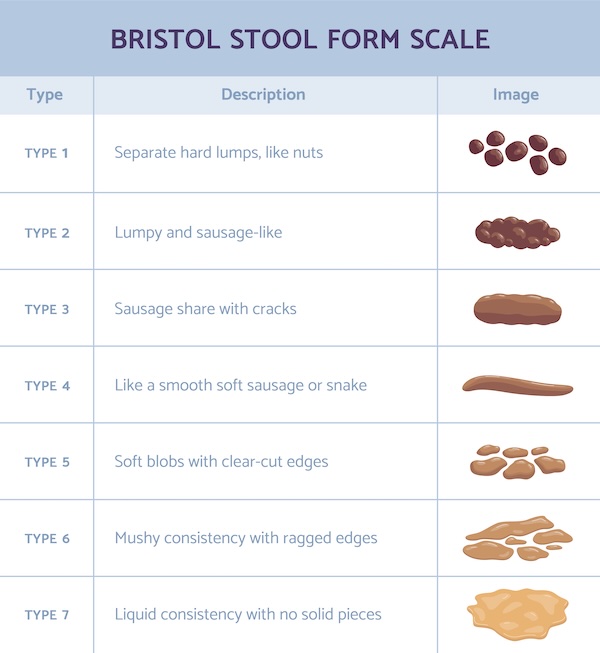
Understanding the Bristol Stool Chart is an essential part of maintaining digestive health and recognizing what your body is telling you. This simple yet effective tool categorizes stool types, providing valuable insights into your gastrointestinal wellness. Each type describes the texture and shape of stools, revealing crucial information about your digestion.
In conclusion, the Bristol Stool Chart is not just about numbers or shapes—it's about understanding your body and the vital clues it provides. By familiarizing yourself with these types, you empower yourself to make informed decisions about your health and well-being. Embrace this knowledge as a step towards a healthier digestive system, and remember, your body is always trying to tell you something. Listen closely.
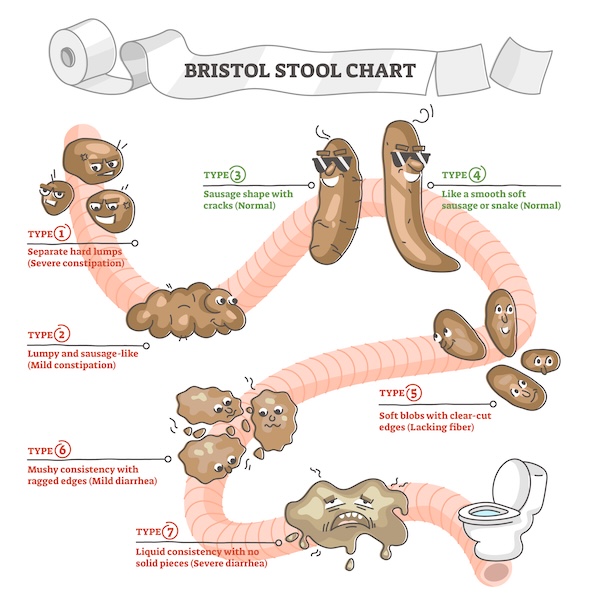
Your Stool Can Be a Helpful Indicator
Bristol Stool Chart Explained
Understanding the Bristol Stool Chart is an essential part of maintaining digestive health and recognizing what your body is telling you. This simple yet effective tool categorizes stool types, providing valuable insights into your gastrointestinal wellness.
Type 1 and 2 Explained
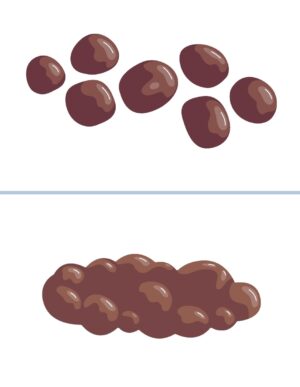
Types 1 and 2 refer to stool that can be difficult to pass, potentially indicating constipation. These types of stools may appear darker than usual. Factors contributing to constipation include a low-fiber diet and inadequate fluid. GI conditions may be a health concern as well. Certain medications can result in constipation. GI conditions such as IBS and health issues such as Parkinson's disease. Side effects from certain medications can be the culprit. Severe constipation can cause you to strain when trying to have a bowel movement and lead to diverticulosis and hemorrhoids. Blood in the stool is not uncommon in these types of stools.
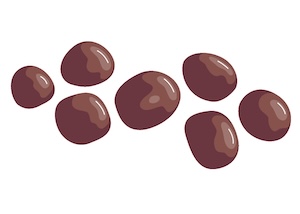
Type 1
We encounter separate hard lumps that resemble nuts. This type indicates constipation and suggests that your body may be in need of more fiber or hydration. It serves as a reminder to pay attention to what you consume daily.
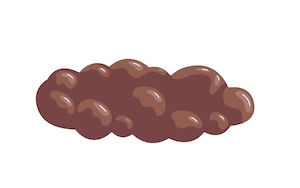
Type 2
We find a sausage-shaped stool that is lumpy. This too signals constipation, indicating that your digestive system may benefit from a little extra care and attention.
Type 3 and 4 Explained
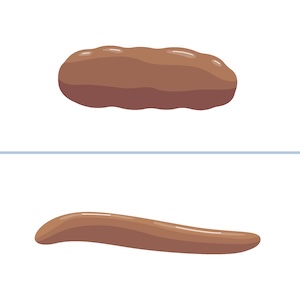
Types 3 and 4 describe stool that is well-formed and easy to pass. These are thought of as "normal," healthy stools and the most ideal.Type 3 looks like a sausage with cracks on the surface, and type 4 is a smooth, soft sausage or snake. These two types are considered ideal, reflecting a well-balanced diet and healthy hydration levels. Celebrating these types is crucial, as they signify that your body is functioning optimally.
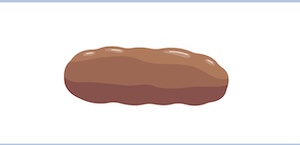
Type 3
Resembles a sausage with its distinctive, textured surface featuring cracks that enhance its ability to move smoothly while leaving no traces behind.

Type 4
Smooth and soft, shaped like a sausage or snake, this formulation passes through easily without leaving any sticky residue.
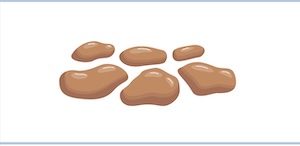
Type 5
Precursor to diarrhea - Soft, well-defined blobs indicate a transition toward diarrhea, signaling the need to monitor your intake and make adjustments if necessary, as this may suggest that your digestive system is facing some challenges.For some people, they may be typical even in the absence of a GI condition. For others, they may suggest a mild or developing GI issue. They also can indicate a dietary problem such as inadequate fiber intake.
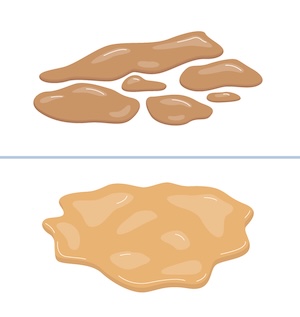
Type 6 and 7
Very loose stools or fully liquid diarrhea. With these type, Diarrhea can be considered:
- Acute when it lasts 14 day or less, as with an infection
- Persistent, when it's between 14 and 30 days
- Chronic, when it lasts more than 30 days
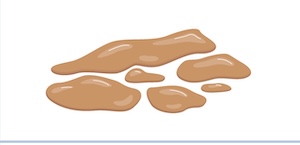
Type 6
Presents a mushy stool with ragged edges, a clearer indicator of diarrhea. Stools are considered diarrhea even though they are not liquid. Diarrhea is often caused by a viral or bacterial infection, though it can also be a medication side effect or a symptom of a medical condition such as IBD or IBS
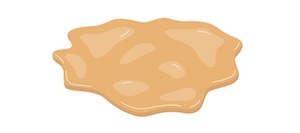
Type 7
The stool is entirely liquid with no solid fragments, indicating diarrhea that requires immediate attention to hydration and diet. You may experience an urgent need for a bowel movement. Persistent diarrhea can lead to dehydration or malnutrition and is often caused by a viral or bacterial infection. Parasitic can cause infections resulting in watery diarrhea, alongside certain medical conditions. .