Understanding the Colon's Vital Role
The Essential Function of the Colon in Health
Explore how the colon supports digestion, nutrient absorption, and waste elimination, crucial for maintaining overall wellness.

The Colon's Role in Digestion
How the Colon Processes Waste

Self-Cleaning Mechanism
The Colon's Natural Cleansing Process
The colon is a vital component of the large intestine, strategically located between the small intestine and the anus. A healthy colon typically measures about two inches in diameter and ranges from five to six feet in length, filling much of the lower body cavity. This U-shaped organ is divided into four sections: the ascending colon, transverse colon, descending colon, and sigmoid colon. Its main function is to reclaim water from the food we digest, absorb essential nutrients, and create a nurturing environment for beneficial bacteria that facilitate digestion and other crucial bodily functions.
Water and Nutrient Absorption
The Colon's Role in Hydration and Nutrient Balance
The colon plays a pivotal role in maintaining the body's hydration and nutrient equilibrium. As digested food passes from the small intestine into the colon, this vital organ absorbs water, salt, and essential nutrients, ensuring that the body remains hydrated and balanced. This process not only helps in maintaining fluid levels but also supports overall health by regulating the body's electrolyte balance, which is crucial for various bodily functions.

Natural Cleansing Efficiency
Hydration and Fiber for a Healthy Colon
Achieving a natural colon cleanse can be as simple as incorporating certain lifestyle habits into your daily routine. Staying adequately hydrated is crucial, as water helps to soften stool and promote regular bowel movements. Aim to drink at least eight glasses of water a day to support your digestive system. Additionally, a diet rich in fiber is essential for maintaining colon health. Fiber adds bulk to the stool, aiding in its passage through the digestive tract. Include plenty of fruits, vegetables, whole grains, and legumes in your diet to ensure sufficient fiber intake.
Assess Your Stools For Better Wellbeing
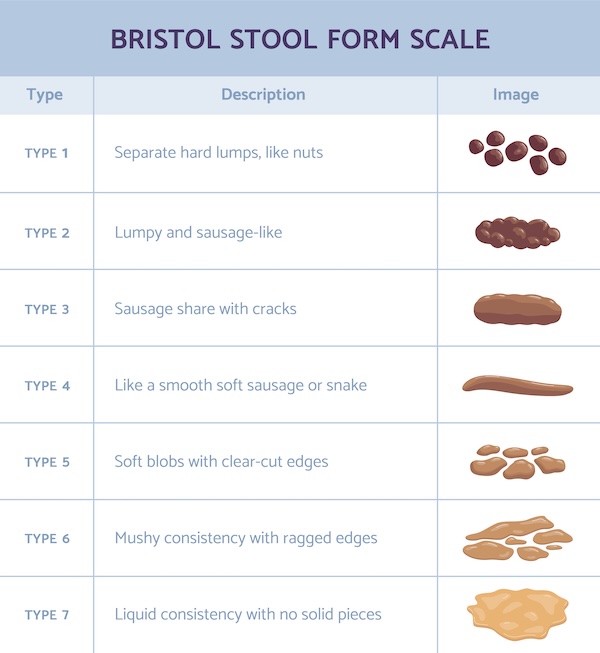
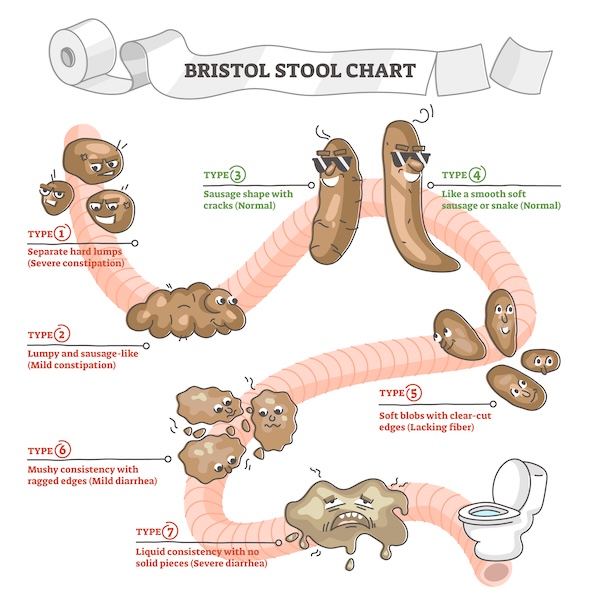
Understanding the Bristol Stool Chart is an essential part of maintaining digestive health and recognizing what your body is telling you. This simple yet effective tool categorizes stool types, providing valuable insights into your gastrointestinal wellness. Each type describes the texture and shape of stools, revealing crucial information about your digestion.
In conclusion, the Bristol Stool Chart is not just about numbers or shapes—it's about understanding your body and the vital clues it provides. By familiarizing yourself with these types, you empower yourself to make informed decisions about your health and well-being. Embrace this knowledge as a step towards a healthier digestive system, and remember, your body is always trying to tell you something. Listen closely.
Your Stool Can Be a Helpful Indicator
Bristol Stool Chart Explained
Understanding the Bristol Stool Chart is an essential part of maintaining digestive health and recognizing what your body is telling you. This simple yet effective tool categorizes stool types, providing valuable insights into your gastrointestinal wellness.

Type 1 and 2 Explained
Types 1 and 2 refer to stool that can be difficult to pass, potentially indicating constipation. These types of stools may appear darker than usual. Factors contributing to constipation include a low-fiber diet and inadequate fluid. GI conditions may be a health concern as well. Certain medications can result in constipation. GI conditions such as IBS and health issues such as Parkinson's disease. Side effects from certain medications can be the culprit. Severe constipation can cause you to strain when trying to have a bowel movement and lead to diverticulosis and hemorrhoids. Blood in the stool is not uncommon in these types of stools.
Type 1
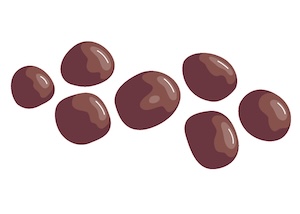
We encounter separate hard lumps that resemble nuts. This type indicates constipation and suggests that your body may be in need of more fiber or hydration. It serves as a reminder to pay attention to what you consume daily.

Type 2
We find a sausage-shaped stool that is lumpy. This too signals constipation, indicating that your digestive system may benefit from a little extra care and attention.
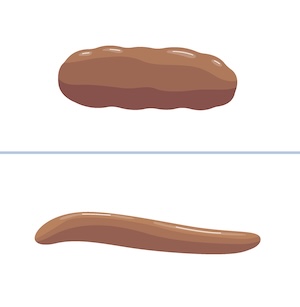
Type 3 and 4 Explained
Types 3 and 4 describe stool that is well-formed and easy to pass. These are thought of as "normal," healthy stools and the most ideal.Type 3 looks like a sausage with cracks on the surface, and type 4 is a smooth, soft sausage or snake. These two types are considered ideal, reflecting a well-balanced diet and healthy hydration levels. Celebrating these types is crucial, as they signify that your body is functioning optimally.

Type 3
Resembles a sausage with its distinctive, textured surface featuring cracks that enhance its ability to move smoothly while leaving no traces behind.

Type 4
Smooth and soft, shaped like a sausage or snake, this formulation passes through easily without leaving any sticky residue.

Type 5
Precursor to diarrhea - Soft, well-defined blobs indicate a transition toward diarrhea, signaling the need to monitor your intake and make adjustments if necessary, as this may suggest that your digestive system is facing some challenges.For some people, they may be typical even in the absence of a GI condition. For others, they may suggest a mild or developing GI issue. They also can indicate a dietary problem such as inadequate fiber intake.
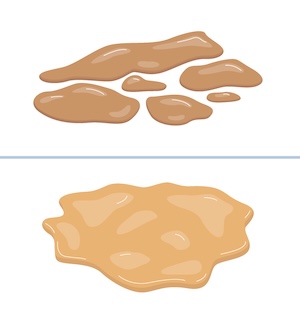
Type 6 and 7
Very loose stools or fully liquid diarrhea. With these type, Diarrhea can be considered:
- Acute when it lasts 14 day or less, as with an infection
- Persistent, when it's between 14 and 30 days
- Chronic, when it lasts more than 30 days

Type 6
Presents a mushy stool with ragged edges, a clearer indicator of diarrhea. Stools are considered diarrhea even though they are not liquid. Diarrhea is often caused by a viral or bacterial infection, though it can also be a medication side effect or a symptom of a medical condition such as IBD or IBS

Type 7
The stool is entirely liquid with no solid fragments, indicating diarrhea that requires immediate attention to hydration and diet. You may experience an urgent need for a bowel movement. Persistent diarrhea can lead to dehydration or malnutrition and is often caused by a viral or bacterial infection. Parasitic can cause infections resulting in watery diarrhea, alongside certain medical conditions. .
Natural Colon Cleanse Tips
Colon Structure and Cleansing Methods
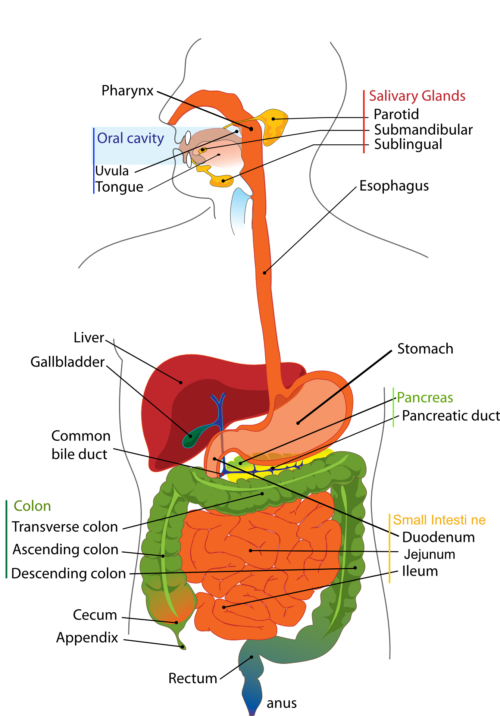
Colon Cleansing
A colon cleanse is a process designed to rejuvenate the gut by effectively flushing the digestive system, which helps in the removal of toxins, unwanted organisms, and accumulated waste that can hinder optimal health. This practice promotes a healthier digestive tract and also supports overall well-being by allowing the body to function more efficiently. It has been found that regularly participating in gut cleansing offers significant benefits for enhancing their vitality and improving their quality of life.

Reasons To Consider A Colon Cleanse
Individuals who follow the Standard American Diet, marked by high levels of dairy, meats, sweets, and processed foods, frequently experience waste accumulation in their digestive systems. This toxic buildup can trigger systemic changes in the body, leading to feelings of illness. Such changes may not only be felt internally but can also manifest externally; for example, an unpleasant odor in sweat or breath may suggest an imbalanced gut. If you are facing health challenges, it could be linked to sluggish bile production or the onset of conditions like Celiac disease, Crohn's disease, ulcerative colitis, diverticulitis, or inflammatory bowel disease. When bowel function is compromised, it can result in issues such as colorectal polyps, diverticula, and gut strictures, which impede digestion. Moreover, the toxic accumulation from an unhealthy diet disrupts the balance of gut flora, enabling harmful organisms to flourish; among these, the fungus Candida albicans can lead to Candidiasis, a yeast overgrowth that can affect the entire body.
Signs that you need a gut cleanse include:
*Low energy
*Poor appetite
*Headaches
*Body aches
*Body odor
*Bad breath
*Constipation
*Skin blemishes
*Mental fog
*Poor sleep
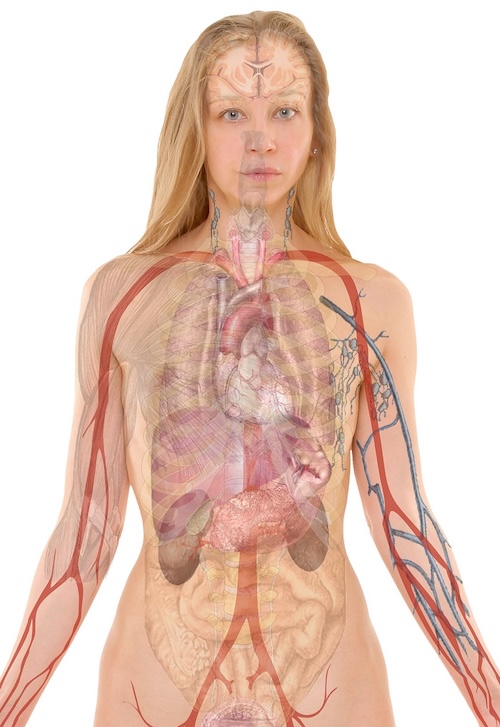
Benefits of Colon Cleanse
A healthy gut is crucial for a properly functioning digestive system and overall well-being, significantly impacting various aspects of your health. When the gut becomes overloaded with toxins, it struggles to absorb essential nutrients and water efficiently, which not only impairs the body’s ability to detoxify but also reduces the nutritional value of the foods you consume. An organic gut cleanse can effectively eliminate toxins from the bowels, helping to restore your health to its optimal state.

Four Essential Advantages of Gut and Colon Cleansing
A Boost of Energy: Many individuals find that one of the most significant advantages of a gut cleanse is an enhanced sense of energy. The feeling of sluggishness often dissipates after cleansing the gut and making healthier food choices. We receive abundant positive feedback from people who express that gut cleansing simply elevates their overall well-being: Numerous individuals initiate healthier eating and wellness routines during their cleanse. Increasing water intake: Incorporating more fruits and vegetables, and engaging in physical activity are all habits that promote smooth bowel function and enhance circulation throughout the gut. Removal of Compacted Waste: By eliminating processed and fatty foods during a gut cleanse, the gut is better equipped to expel waste. Sufficient water intake aids in flushing out this unhealthy waste from your system. Certain fruits, with their natural fibrous quality, further assist in moving waste through the gut. Once this toxic buildup is eliminated, your gut can function more effectively. Better Digestion: Many people report improved digestion after completing a gut cleanse. Resetting the gut enables the digestive tract to process food more efficiently. This not only encourages regular, consistent bowel movements but also alleviates occasional constipation.
Supporting Purification Techniques

Dietary Cleanse Programs
Some cleanses focus solely on dietary adjustments by removing specific foods, such as dairy, wheat, gluten, or meat, which may lead to health issues. Whether opting for a short-term reset or committing to a more permanent lifestyle change, refraining from these foods acts as a cleansing method centered on diet. Foods like meat, dairy, and processed items laden with unhealthy additives can contribute to waste accumulation along the intestinal walls. By substituting these detrimental foods with a variety of high-fiber, nutrient-dense fruits and vegetables and ensuring adequate hydration, you can effectively flush the bowels and detoxify the gut. Streamlining your diet can help pinpoint any food sensitivities you may have. Many individuals choose to cleanse through a raw or vegan diet, gradually reintroducing other food groups afterward. After adhering to a simplified cleansing regimen for a period ranging from seven to 30 days, you can begin to reintroduce different items, taking a few days between each new food type to monitor any changes in your body or mood. Additionally, pairing a cleansing diet with a gut cleanse supplement can enhance the detoxification process.
Three Step Cleanse
The body is naturally equipped to eliminate toxins through seven pathways, but modern life can hinder these vital processes. Adopting a gradual approach is essential to help the body adjust to cleansing without being overwhelmed, reducing potential side effects. Start your journey to better health with our three-step natural cleanse, designed to lead you toward sustainable wellness. Let's achieve success together.
Colonic Hydrotherapy or Irrigation
Colonic hydrotherapy is a procedure performed by trained professionals known as colonic hygienists or hydrotherapists in a safe clinical environment, and it is deemed safe when conducted by an expert using FDA-approved equipment. During the treatment, a machine gently introduces a tube into the rectum to deliver water into the intestines, while the hydrotherapist may massage the abdomen to facilitate the release of waste, which is subsequently expelled through a separate tube. This treatment can be repeated multiple times and may last up to one hour. It is important to discuss the potential risks, including rare instances of rectal perforation, with a healthcare professional. While DIY hydrotherapy kits exist, it is advisable to seek treatment from qualified hygienists or hydrotherapists to ensure safety and effectiveness. The equipment utilized for colon irrigation is regulated by the U.S. Food and Drug Administration, which requires that qualified hydrotherapists use FDA-registered devices, filtered and purified water, and single-use disposable rectal nozzles to guarantee proper sterilization, even when stainless steel nozzles are in use.
Colon Hydrotherapy Notarized Benefits
Imagine feeling light and energized, free from bloating and constipation. Your body deserves daily relief and vitality, and with the right approach to gut health, this can be your reality. Embracing colon hydrotherapy not only cleanses your system but also revitalizes your well-being, helping you reclaim balance in your digestive processes. Nurturing your gut unlocks enhanced immune function, improved mood stability, and better nutrient absorption. It's essential to listen to your body, especially considering that 42 million Americans experience constipation each year. You should be having a daily bowel movement, and if it’s not resembling a Bristol Type 4, you may be facing digestive issues. With gut bacteria making up about 70 percent of your immune system, colon health is crucial for vitality, weight management, and mood stabilization. Colon hydrotherapy utilizes warm water to cleanse the colon, removing fecal build-up and harmful bacteria, thereby restoring optimal function and alleviating symptoms like constipation, gas, and bloating for improved comfort.
Enemas
An enema functions similarly to a mini colonic, focusing specifically on the rectum and lower colon to promote overall colon health and improve digestion. This procedure can be conveniently self-administered at home or performed by healthcare professionals, allowing individuals to choose what suits them best. During the enema process, a liquid solution, which may include mineral oil, sodium phosphate, or simply water, is gently introduced into the rectum through a specialized tube designed for this purpose. To further enhance the efficacy of the enema, a gentle abdominal massage can be applied, which aids in loosening stool and facilitating the process. Typically, after around five minutes, the body will signal a strong urge to defecate, resulting in the expulsion of both the enema liquid and any accumulated waste material. While some individuals explore the potential health benefits associated with coffee enemas, it is essential to be cautious, as frequent use can lead to electrolyte imbalances and dehydration, with serious complications occasionally reported. To prioritize safety, it is highly recommended to use a disposable enema for any rectal insertion, as this practice helps to minimize the risk of contamination.
Coffee Enema Benefits
Experience the rejuvenating power of a coffee enema, a natural method that invigorates your body's detoxification process. By stimulating liver function and increasing bile production, this holistic approach helps eliminate toxins effectively. As bile flows freely into the small intestine, aided by relaxing bile ducts, the body can efficiently bind and expel harmful substances, enhancing your overall well-being. The unique compounds found in coffee further dilate blood vessels, promoting optimal circulation to the liver and significantly boosting the production of essential detoxification enzymes. With improved waste transit and systemic cleansing, you'll feel lighter and more vibrant, ready to embrace each day with renewed energy and clarity.
Oxygen-Based Gut Cleansers
Properly formulated oxygen-based colon cleansers contain magnesium oxide, an element of magnesium bound to oxygen. Discover the path to optimal health with innovative oxygen-based colon cleansers, created to support your digestive well-being. Picture a solution that not only aids in detoxification but also naturally elevates your energy levels. The key ingredient, magnesium oxide, uniquely releases oxygen when it encounters stomach acid. This gentle cleansing action revitalizes your gut by increasing oxygen levels in the colon, where it effectively works to dissolve stubborn waste and positively impact your gut microbiome. By promoting a balanced ecosystem of beneficial bacteria, our colon cleanser creates an environment where your digestive system can flourish, leading to enhanced digestion and overall health. Additionally, oxygen-based colon cleansers boost the generation of Oxygen Reactive Species, stimulating lymphocytes and boosting T-cell production. This natural enhancement fortifies your immune system, empowering you to better tackle daily challenges. Experience a detoxification journey that is non-habit-forming and harnesses the remarkable benefits of nascent oxygen.
Oxygen Cleanser Wellness Path
This innovative approach not only promotes digestive health but also offers a pathway to weight loss and overall wellness. Avoid products that contain ascorbic acid, as this potent antioxidant can counteract the positive effects of oxygen. A beneficial ingredient to seek out is GE-132, also known as germanium-132. This unique nutrient supports immune system health while enhancing the oxygen cleansing benefits. When choosing a product, prioritize natural and organic ingredients free from unnecessary binders and fillers. Watch out for so-called oxygen-based colon cleansers that might include ascorbic acid. The effectiveness of these cleansers is often measured by their electromotive force. A product with an electromotive force above 2.4 is advantageous, indicating its potential to deliver oxygen efficiently. Moreover, a titration test can confirm whether oxygen is released and for how long—a quality cleanse should release oxygen for at least 18 hours. An effective oxygen colon cleanse can assist in expelling buildup, jump-starting your weight loss journey and revitalizing your energy levels. Imagine feeling lighter and more energized, paving the way for a commitment to healthier eating and an active lifestyle.
Parasite Cleanse
Parasites may be present in your body, causing discomfort and a range of digestive issues such as constipation, diarrhea, heartburn, and fatigue, making a parasite cleanse a natural method to tackle these challenges. This cleansing approach involves eliminating foods that nourish parasites, like sugars and grains, while focusing on anti-parasitic foods rich in antioxidants, similar to a Paleo diet, which also incorporates probiotics, herbs, and vegetables. During the recovery phase, supplementation can strengthen your gastrointestinal and immune systems, as parasites thrive within hosts and may lead to various health complications. Common parasites include protozoa and helminths, with malaria being a prominent example. Many adults may unknowingly carry these parasites, often contracted through contaminated food or water, affecting those with compromised gut flora or weakened immune systems more significantly. Undercooked meats can harbor harmful organisms, and travelers are particularly vulnerable due to local food and water, highlighting the importance of food safety. If you confirm the presence of a parasite, following a parasite cleanse diet along with herbal supplements can be advantageous, enabling you to create your own cleanse mixture using natural prebiotics and probiotics, along with tinctures like black walnut and wormwood.
Parasite Infestation Symptoms and Solutions
If you think you might have a parasitic infection, the most effective way to address it is to follow a treatment plan suggested by a healthcare professional, which could involve the use of antiparasitic medications. It’s essential to understand the possible side effects and gather detailed information, as in certain situations, a natural alternative might be more suitable. While some people may skip a formal diagnosis and link their gastrointestinal issues to a parasitic infection, turning to natural remedies like detox cleanses, it is imperative to consult your doctor before making any choices, as they can provide personalized advice based on your unique circumstances. Nutrition specialists universally agree that a medical diagnosis is fundamental for accurately identifying a parasite, as various other health conditions can manifest with similar symptoms, including diarrhea, nausea, vomiting, abdominal discomfort, gas, and fatigue. In the resources section below, you will find additional information regarding the symptoms, causes, and treatments for these concerns, which, if neglected, could result in serious health complications. The following foods are beneficial for a parasite cleanse and contribute to maintaining a parasite-free body: apple cider vinegar, coconut, garlic, ginger, kefir, honey, oregano, papaya, pineapple, pumpkin seeds, sauerkraut, and fresh vegetables.
Candida Cleanse
Candida overgrowth often goes unnoticed, leading to persistent fatigue and digestive issues that can significantly impact your health. Recognizing these subtle signs is crucial for restoring your energy. Typically, an imbalance in gut bacteria triggers Candida overgrowth, as your gut is home to millions of microorganisms that assist in the digestion of starches, fibers, and sugars. When Candida albicans proliferates excessively, it disrupts this delicate balance, causing symptoms such as diarrhea, gas, bloating, constipation, cramps, and nausea. To help restore equilibrium, consider a natural candida cleanse, which may include a liquids-only detox or a more balanced dietary approach. By thoughtfully adjusting your diet, you can enhance your body's capacity to eliminate excess yeast, thereby boosting your overall health and energy levels. Furthermore, candida can form protective biofilms that complicate treatment and may lead to systemic infections, highlighting the importance of awareness. To effectively manage candida at home, avoid sugary and starchy foods, utilize a mixture of water and 3% food-grade hydrogen peroxide, rinse with warm salt water, and maintain cleanliness in your dental supplies. Incorporate natural anti-fungal such as caprylic acid and berberine supplements. Foods include coconut oil, garlic, and rutabaga.
Candida Overgrowth Identified
Other symptoms not directly linked to digestion include brain fog, which can result from acetaldehyde—a toxic byproduct of Candida albicans. Although the liver typically processes acetaldehyde, excessive levels can hinder mental clarity and oxygen flow to the brain, leading to vitamin B1 deficiency and nerve cell damage akin to chronic alcoholism or Alzheimer's disease. Recurring yeast infections signal Candida overgrowth, affecting over 75% of women at least once, with symptoms like itching, pain during intercourse, and white discharge. The yeast can spread, causing oral thrush in those with weakened immune systems, often due to antibiotics or a sugary diet. Intestinal yeast overgrowth may lead to leaky gut syndrome, allowing food particles into the bloodstream and causing sensitivities. Skin infections arise from microbial imbalances, especially in warm areas; while topical treatments offer temporary relief, improving gut health is crucial. A compromised immune system can result from and contribute to Candida overgrowth, as unhealthy gut flora increases infection risk. Balanced gut flora supports immune function, and chronic imbalances may disrupt hormones and mood. Low B12 levels associated with Candida can affect brain health and contribute to depression, while elevated uric acid levels may lead to joint pain and gout. For more information on healthy options, please refer to the section below.
Resources and Referrals for Colon Health
The Essential Role of Kidneys in Detoxification
Discover how your kidneys efficiently cleanse your body, ensuring optimal health and balance.

Kidneys: Nature's Detoxifiers
Understanding Kidney Function and Balance
The kidneys are vital organs that perform a crucial detoxification process, filtering out toxins and waste from the bloodstream. They maintain the body's fluid and electrolyte balance, ensuring that essential nutrients are reabsorbed while harmful substances are excreted. This balance is essential for overall health, as it supports cellular functions and prevents the buildup of harmful toxins.
The Kidney Filtration Process
Step 1: Blood Flow
Blood carrying toxins enters the kidneys through the renal artery, initiating the filtration process.
Step 2: Glomerular Filtration
Within the glomerulus, a network of capillaries filters out toxins, waste products, and water, directing them into the renal tubule.
Step 3: Tubular Reabsorption
The renal tubule reabsorbs essential nutrients and water, ensuring that only waste products and toxins remain in the fluid.
Key Kidney Functions
Blood Filtration
The kidneys filter approximately 120-150 quarts of blood daily, removing toxins and waste products.
Electrolyte Balance
By regulating sodium, potassium, and other electrolytes, kidneys maintain the body's fluid balance.
Waste Excretion
Kidneys convert waste into urine, which is then excreted from the body, ensuring detoxification.
Understanding Kidney Health
How do kidneys filter blood?
Kidneys filter blood through a process involving glomerular filtration, tubular reabsorption, and secretion.
What is glomerular filtration?
It is the initial step where blood is filtered through the glomerulus, removing toxins and waste.
Why is hydration important for kidneys?
Proper hydration supports kidney function by aiding in the efficient removal of waste and toxins.
Can diet affect kidney health?
Yes, a balanced diet low in sodium and rich in fruits and vegetables supports kidney health.
What are common signs of kidney issues?
Symptoms include fatigue, swelling, changes in urination, and high blood pressure.
Discover How to Achieve Perfect Liver Health
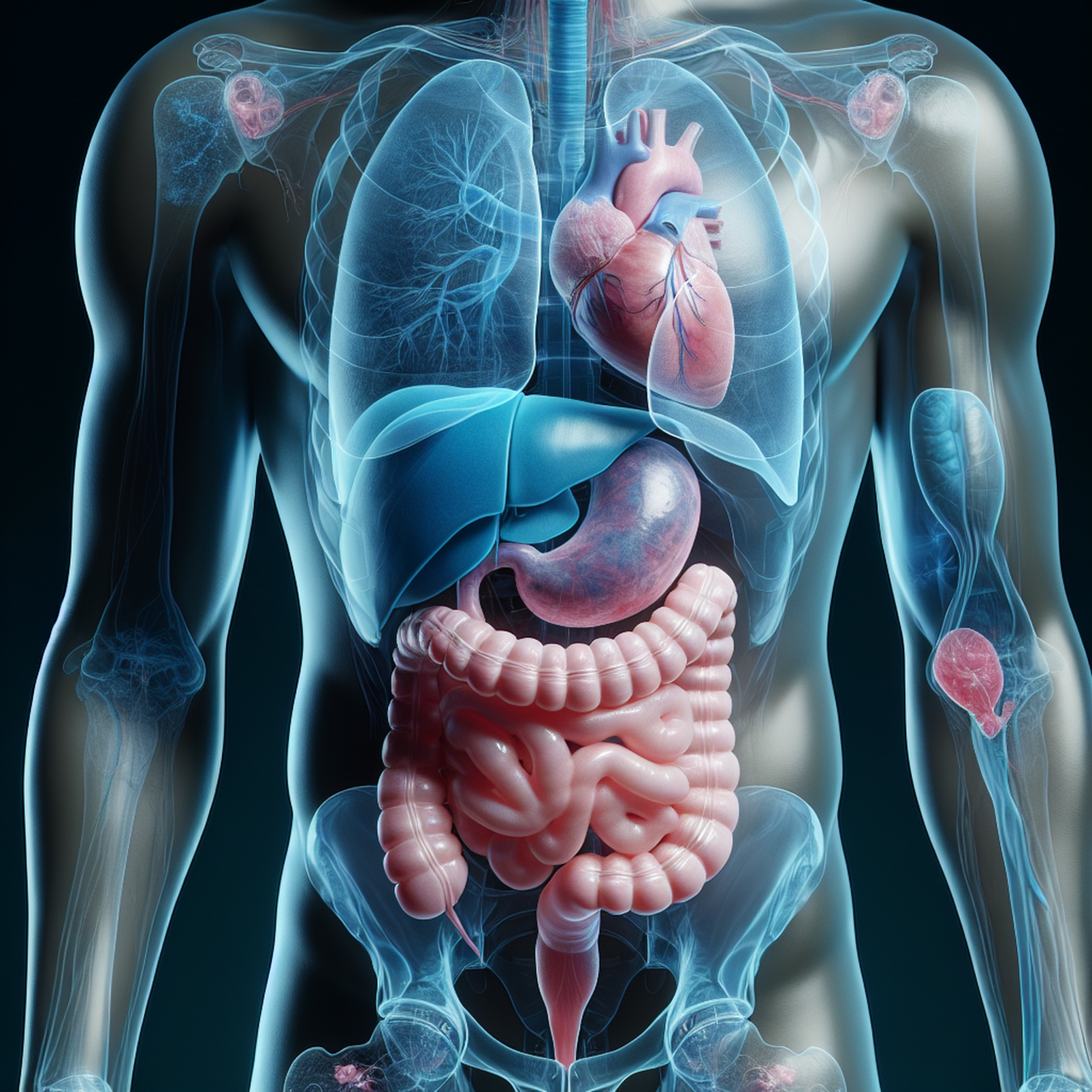
Understanding the crucial function of the liver in maintaining our overall well-being. The liver is a vital organ that performs multiple functions including metabolism, digestion, energy storage, and the production of hormones. It is the body's primary detoxification system, effectively breaking down and eliminating toxins. This detoxification process is categorized into two pathways known as Phase I and Phase II. Acting as a key player in filtering out harmful substances, the liver transforms them into non-toxic forms, ensuring our bodily functions run smoothly. By prioritizing liver health, we enhance our body's innate ability to purify itself, which is essential for maintaining overall wellness.
Key Features of Liver Detoxification
Phase I Detoxification
Phase II Detoxification
Excretion: Final Elimination
Excretion Process
Understanding Detoxification
Once the liver has processed toxins, they are transformed into substances that can be easily excreted. These detoxified compounds are then eliminated from the body through three primary pathways: urine, bile, and feces. The kidneys filter the blood, removing waste products and excess substances, which are then expelled as urine. Bile, produced by the liver, carries waste products into the intestines, where they are eventually excreted as feces. This efficient system ensures that harmful substances are regularly removed from the body, maintaining overall health.
The Power of Glutathione
Powerful Antioxidant Supporting Liver Health and Detoxification
Glutathione is widely recognized as the master antioxidant, playing an essential role in cellular health and liver detoxification. As the body's most abundant antioxidant, it is vital for neutralizing harmful free radicals and can regenerate itself within the liver. This remarkable ability to self-regenerate enhances glutathione's effectiveness in combating oxidative stress and promoting overall wellness.
Vitamin C: A Crucial Ally
The Role of Vitamin C in Liver Health

Enhancing Liver Health Naturally
Effective Strategies for Liver Support
To maintain optimal liver health, it's essential to incorporate lifestyle habits that promote its natural detoxification processes. Prioritizing adequate sleep is crucial, as it allows the body to repair and regenerate, supporting liver function. Additionally, managing stress through mindfulness practices or yoga can significantly reduce the burden on your liver, as stress hormones can impact its efficiency.
Another vital aspect is the use of eco-friendly products in your daily routine. By choosing natural cleaning agents and personal care items, you minimize exposure to harmful chemicals that could otherwise strain your liver. Embrace these practices to support your liver's health and enhance your overall well-being.
Clinical Research Insights
Nutrient Blends and Glutathione Enhancement
Study Conclusion
The findings support earlier studies indicating that certain phytochemicals can elevate plasma vitamin C levels, even when vitamin C is not actively consumed, and they introduce a targeted combination of ingredients designed to enhance the production of glutathione in the body.

Supporting Liver Health
Healthy Diet
Incorporate a variety of fruits, vegetables, whole grains, and lean proteins into your meals to provide essential nutrients that support liver function.
Regular Exercise
Engage in physical activities that boost circulation and enhance liver efficiency, such as walking, cycling, or swimming.
Adequate Hydration
Ensure you drink sufficient water daily to aid the liver in flushing out toxins effectively.
Avoid Alcohol and Caffeine
Limit the intake of alcohol and caffeine, as these can place additional strain on the liver and hinder its detoxification capabilities.

Consult With A Nutritionalist For Wellness
Your liver is essential to your overall health, and receiving personalized guidance can greatly enhance your well-being. We advise you to speak with a qualified nutritionalist to gain customized insights and recommendations for supporting liver health. Begin your journey towards a healthier future by seeking professional consultation.
Discover the Path to Healthier Lungs
Unlock Your Lungs' Natural Cleansing Power
Explore how your lungs naturally detoxify and learn steps you can take to enhance their function for a healthier life.
Understanding Lung Health
The Self-Cleaning Wonders of Your Lungs
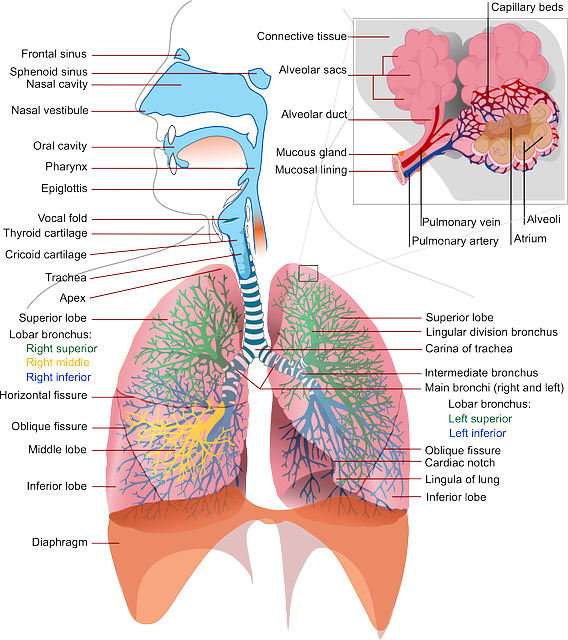
Your lungs are equipped with a remarkable self-cleaning system that helps maintain optimal respiratory health. This system involves the coordinated action of mucus, cilia, and specialized immune cells, all working together to protect your lungs from harmful pollutants and pathogens. Maintaining lung health is crucial for overall well-being, as it ensures efficient oxygen exchange and supports your body's vital functions.
Natural Lung Detoxification
How Your Lungs Clean Themselves
Mucus: The First Line of Defense
Mucus plays a critical role by trapping inhaled particles such as dust, allergens, and bacteria, preventing them from reaching the deeper lung tissues.
Cilia: The Sweepers of the Airways
Cilia are tiny hair-like structures that line the airways, moving rhythmically to transport trapped mucus and debris out of the lungs.
Immune Cells: The Lung's Guardians
Specialized immune cells patrol the lungs, identifying and neutralizing harmful substances that bypass the initial defenses, including bacteria and viruses.
Avoiding Pollutants
Minimizing exposure to pollutants like cigarette smoke and air pollution is essential for maintaining healthy lungs and preventing respiratory issues.
Exercise for Lung Capacity
Regular physical activity enhances lung capacity, strengthens respiratory muscles, and improves overall cardiovascular health.
Healthy Diet and Hydration
A diet rich in fruits, vegetables, and whole grains, along with adequate hydration, supports lung health by providing essential nutrients and facilitating toxin removal.
Lung Health Practices
Healthy Diet
Consume a balanced diet rich in fruits, vegetables, and whole grains to support lung function.
Avoid Pollutants
To protect your lung health, it is essential to minimize your exposure to harmful pollutants including cigarette smoke and environmental air pollution.
Regular Exercise
Engage in physical activities to enhance lung capacity and strengthen respiratory muscles.
Hydration
Lung Health Statistics
Studies show that quitting smoking can improve lung function by up to 30% within two weeks.
%
Impact of Exercise
Regular physical activity can increase lung capacity by approximately 15% over time.
%
Diet and Lung Health
A diet high in antioxidants can reduce the risk of lung inflammation by 20%.
Enhance Your Lung Health Today
Embrace a lifestyle that promotes optimal lung function by integrating healthy habits into your daily routine. Discover actionable tips and resources to support your respiratory wellness and breathe easier.
Lymphatic Detoxification Process
Lymphatic System Disorders and Conditions
Swollen Lymph Nodes
Swollen lymph nodes, or lymphadenopathy, occur due to infections, inflammation, or cancer. They are often a sign of the body fighting off common infections like strep throat or more serious conditions.
Lymphedema
Lymphedema is characterized by swelling due to fluid accumulation, often in the arms or legs, resulting from lymphatic system blockages or node removal.
Lymphatic Cancers
Lymphatic cancers, such as lymphoma, involve the uncontrolled growth of lymphocytes. These can disrupt lymph flow and lead to serious health complications.
Lymphatic System FAQs
What are the signs of a healthy lymphatic system?
A healthy lymphatic system efficiently filters waste and toxins from the body, maintains fluid balance, and supports immune function. Signs include minimal swelling, no unexplained fatigue, and a strong immune response.
How can I improve my lymphatic health naturally?
Regular exercise, staying hydrated, eating a balanced diet, and avoiding exposure to harmful chemicals can enhance lymphatic function. Lymphatic massages and dry brushing are also beneficial.
What symptoms indicate lymphatic system issues?
Common symptoms include persistent swelling, fatigue, unexplained weight changes, and frequent infections. If you experience these, consult a healthcare provider.
Can diet affect my lymphatic system?
Yes, a diet rich in fruits, vegetables, and lean proteins supports lymphatic health. Avoiding processed foods and excessive salt can prevent fluid retention and promote detoxification.
What role does exercise play in lymphatic health?
Exercise stimulates lymph flow and helps remove toxins. Activities like walking, yoga, and swimming are particularly effective in maintaining a healthy lymphatic system.
Understanding The Lymphatic System
The lymphatic system may not be the first thing that comes to mind when you think about your health, but it plays a crucial role in maintaining your body’s defense mechanisms. At the heart of this remarkable system are several key organs that work together seamlessly, ensuring that your body stays healthy and resilient.
First, let's talk about bone marrow, the soft and spongy tissue inside your bones. This vital organ is like a factory, producing essential components of your blood, including red blood cells, which carry oxygen, white blood cells, which fight off infections, and platelets, which help your blood to clot. This process is fundamental to your overall health, making bone marrow one of the foundational pillars of the lymphatic system.
Next is the thymus, a small but mighty organ located beneath your breastbone. Most active before puberty, the thymus serves as a training ground for T-cells, a specific type of white blood cell responsible for targeting and eliminating invaders like viruses and bacteria. By maturing these crucial cells, the thymus plays a significant role in shaping your immune response.
Then, we have the lymph nodes, the small, bean-shaped glands scattered throughout your body. Imagine them as checkpoints for your lymph fluid, where harmful substances are filtered out, and immune cells are stored. With around six hundred lymph nodes, they ensure that your immune system is always on high alert, ready to tackle anything that comes your way. You might even feel some of these nodes in your neck or under your arms, serving as a reminder of the complex work happening beneath your skin.
The spleen, the largest organ of the lymphatic system, sits on your left side, just under your ribs. This powerhouse filters your blood, removing old or malfunctioning cells and keeping a reserve of red blood cells and platelets ready for action. It acts as a critical hub for your immune response, making sure your body can swiftly deal with any threats.
Mucosa-associated lymphoid tissue, or MALT, is another integral player in this intricate system. Located in various mucous membranes throughout your body, including tonsils and the lining of your intestines, MALT actively seeks out and destroys pathogens, providing a crucial layer of defense against germs.
In addition to these organs, the lymphatic system relies on several other essential components. Lymph, the fluid that circulates through the system, collects excess fluids, proteins, and waste products from your body’s tissues. It’s not just waste; it carries lymphocytes, the warriors of your immune system, ensuring they are always poised to fight infection.
Lymphatic vessels form a complex network that transports lymph throughout your body. These vessels operate like highways, aided by nearby muscle contractions and the pulsing of arteries, ensuring that lymph flows smoothly. Equipped with one-way valves, they prevent any backflow, maintaining a steady and efficient flow.
Finally, the collecting ducts—specifically the right lymphatic duct and the thoracic duct—serve as the merging point for lymph on its journey back into the bloodstream. Here, the lymph rejoins the circulatory system, ensuring that the body is continuously nourished and protected.
The tonsils and adenoids also deserve a mention. These small structures act as the body’s first line of defense, trapping pathogens that enter through food and air. They play an essential role in your immune system, particularly during childhood, as they proactively work to fend off infections before they can take hold.
In understanding the lymphatic system, we gain insight into how our bodies maintain balance and health. Each organ and component has a unique role, yet they all work in harmony to keep us safe and well. Embracing this knowledge empowers us to appreciate the intricate designs of our bodies and the remarkable systems that support our health every day.
Lymphatic System The Hidden Champion
Unlock Radiant Skin
Transform Your Complexion with a Skin Detox
Discover the secrets to achieving a luminous and healthy glow through effective skin detoxification methods.
Understanding Skin Detox
Benefits of a Skin Detox
Epidermis Focus
Improved Complexion
Skin Purging
Radiant Glow
Enhance Your Skin's Radiance
Experience a transformation in your skin's appearance with a dedicated detox routine. By focusing on the outermost layers, you can achieve a complexion that is both luminous and smooth.
Through the removal of impurities and dead skin cells, a skin detox can significantly brighten your skin, giving it a more youthful and vibrant look.
Embrace a healthier skin journey by incorporating detox practices that promote clarity and radiance, ensuring your skin feels refreshed and rejuvenated.
Step-by-Step Skin Detox Guide
1
Thorough Cleansing
Start with a double cleanse using a gentle cleanser to remove makeup, dirt, and oil, ensuring your skin is free from impurities.
2
Regular Exfoliation
Exfoliate 1-3 times a week to eliminate dead skin cells and promote cell turnover, using a suitable exfoliant for your skin type.
3
Hydration and Nourishment
Maintain hydration by drinking plenty of water and applying a moisturizer to keep your skin's moisture levels balanced.
Potential Detox Symptoms
Temporary Breakouts
As your skin purges impurities, you might notice small breakouts, which are a natural part of the detox process.
Increased Sensitivity
Your skin may become more sensitive during detoxification, requiring gentle care and soothing products.
Changes in Oil Levels
Expect fluctuations in oil production, leading to either excess oiliness or dryness as your skin adjusts.
Patience Required
Consistency is key; allow time for your skin to adapt and reveal its improved state.
Skin Purging
Experience the movement of trapped dirt and oil to the surface, aiding in a clearer complexion.
Moisture Imbalance
Temporary changes in moisture levels may occur, necessitating adjustments in your skincare routine.
Visible Improvements
Over time, notice a more radiant and even skin tone as detoxification progresses.
Commitment to Routine
Stay committed to your detox regimen for optimal results and long-lasting skin health benefits.
Begin Your Skin Detox Journey Today
Unlock the secret to radiant skin by starting your detox journey now. Discover our curated selection of skincare products and expert tips designed to cleanse, nourish, and rejuvenate your skin. Embrace a healthier, glowing complexion with our guidance.